
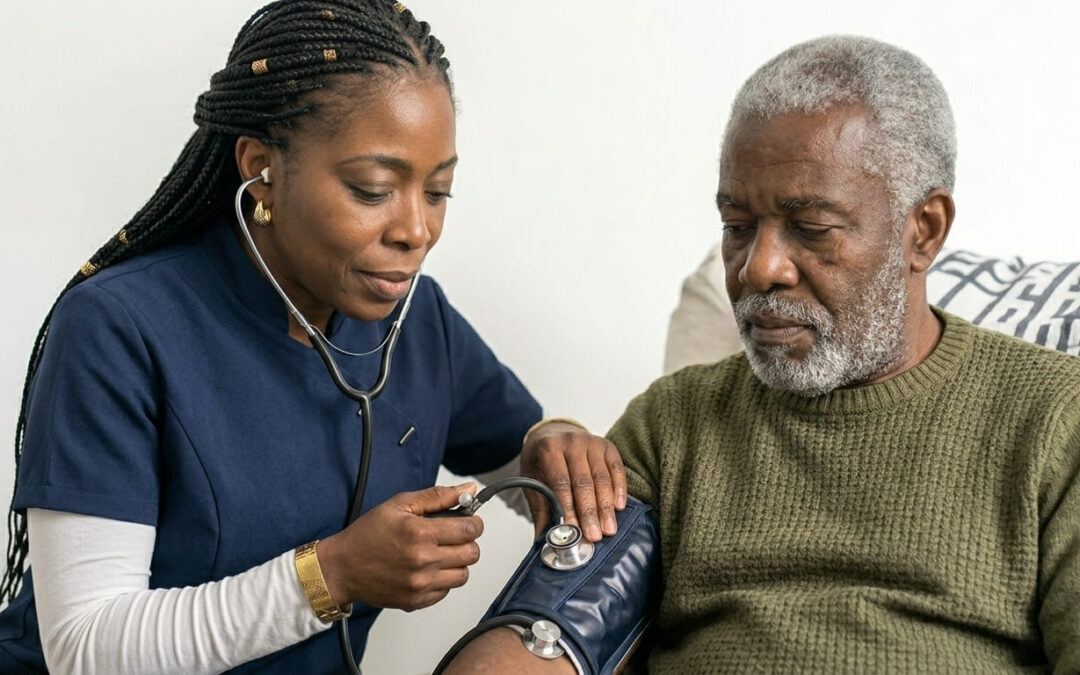
As healthcare needs continue to evolve in Nigeria, more families are embracing the concept of “aging in place” allowing elderly loved ones to remain in the comfort of their own homes while receiving professional care and support. For many Nigerians, home is more than just a place to live. It is a space filled with family memories, emotional connection, cultural identity, and a deep sense of belonging.
Rather than relocating aging parents to hospitals or care facilities for extended periods, many families are now choosing home care services as a more compassionate, comfortable, and personalized solution. This growing trend reflects changing lifestyles, increasing healthcare awareness, and the desire to provide elderly loved ones with dignity and quality care.
What Does Aging in Place Mean?
Aging in place refers to the ability of elderly individuals to continue living safely, independently, and comfortably in their own homes as they grow older. Instead of moving into nursing homes or assisted living facilities, seniors receive the care and support they need within familiar surroundings.
Home care services help make aging in place possible by providing professional assistance tailored to the needs of elderly individuals. These services may include:
Personal care assistance
Medication management
Home nursing services
Meal preparation
Companionship care
Physiotherapy support
Mobility assistance
Post-surgery recovery care
Why More Nigerian Families Are Choosing Home Care
1. Emotional Comfort and Familiarity
One of the biggest reasons families choose home care is the emotional comfort it provides. Elderly parents often feel happier and more secure when they remain in familiar surroundings filled with memories and personal belongings.
The comfort of home can help reduce:
Stress and anxiety
Feelings of loneliness
Emotional confusion
Depression among elderly individuals
Being surrounded by family members and familiar environments creates a sense of peace that is difficult to replicate elsewhere.
2. Preserving Independence and Dignity
Many elderly individuals value their independence and prefer maintaining control over their daily routines. Aging in place allows seniors to continue making personal decisions about their lives while receiving support only when necessary.
This helps preserve:
Self-esteem
Personal dignity
Confidence
Emotional well-being
Home care focuses on assisting rather than restricting elderly individuals, helping them maintain a sense of purpose and independence.
3. Personalized One-on-One Care
Unlike hospitals or care facilities where healthcare professionals attend to multiple patients at once, home care provides personalized attention tailored specifically to the individual’s needs.
Benefits of personalized care include:
Better monitoring of health conditions
Faster response to medical concerns
Improved medication management
Stronger caregiver-patient relationships
Customized daily care routines
This individualized approach often leads to better healthcare outcomes and improved quality of life.
4. Stronger Family Connections
Family plays an important role in Nigerian culture, especially when caring for elderly parents. Home care allows families to remain closely involved in the caregiving process without completely handing over responsibility.
Loved ones can:
Spend more meaningful time together
Monitor care quality
Participate in important decisions
Provide emotional support
This strengthens family bonds and creates a more supportive environment for elderly individuals.
5. Busy Modern Lifestyles
Many Nigerian families today face demanding work schedules, business commitments, and financial responsibilities that make full-time caregiving difficult. In some cases, children may live abroad or in different cities, making it harder to care for aging parents directly.
Professional home caregivers help bridge this gap by providing reliable support while families continue managing their daily responsibilities.
6. Better Recovery and Health Outcomes
Elderly individuals recovering from surgery, illness, or medical conditions often recover faster at home due to the emotional comfort and reduced stress associated with familiar surroundings.
Home care can help:
Reduce unnecessary hospital visits
Lower exposure to infections
Improve medication adherence
Encourage healthier routines
Support physical and emotional recovery
The home environment often promotes healing more effectively than unfamiliar clinical settings.
Challenges Facing Aging in Place in Nigeria
Although aging in place offers many benefits, there are still challenges affecting home care services in Nigeria, including:
Limited awareness about professional home care
Shortage of trained caregivers
High cost of healthcare services
Limited access to quality care in rural areas
Lack of proper healthcare infrastructure
Despite these challenges, the demand for home care services continues to rise as more families recognize its long-term benefits.
The Role of Technology in Home Care
Technology is helping improve home healthcare services across Nigeria. Telemedicine, digital health monitoring, medication reminders, and remote consultations are making it easier for healthcare professionals to support elderly patients from home.
As healthcare technology becomes more accessible, aging in place is expected to become even more practical and effective for Nigerian families.
Choosing the Right Home Care Provider
Selecting a trusted home care provider is an important decision. Families should look for:
Experienced and trained caregivers
Professional healthcare qualifications
Positive reviews and testimonials
Flexible care plans
Emergency support systems
Compassionate and respectful care
Choosing the right provider ensures elderly loved ones receive safe, professional, and compassionate support.
Conclusion
Aging in place is becoming an increasingly preferred option for many Nigerian families because it combines professional healthcare with emotional comfort, dignity, and family connection. Home care services allow elderly individuals to remain in familiar surroundings while receiving personalized support that improves both physical and emotional well-being.
As awareness continues to grow, home care is expected to play an even greater role in Nigeria’s healthcare system. For many families, it is not just about providing care — it is about preserving comfort, respect, independence, and quality of life for loved ones.