
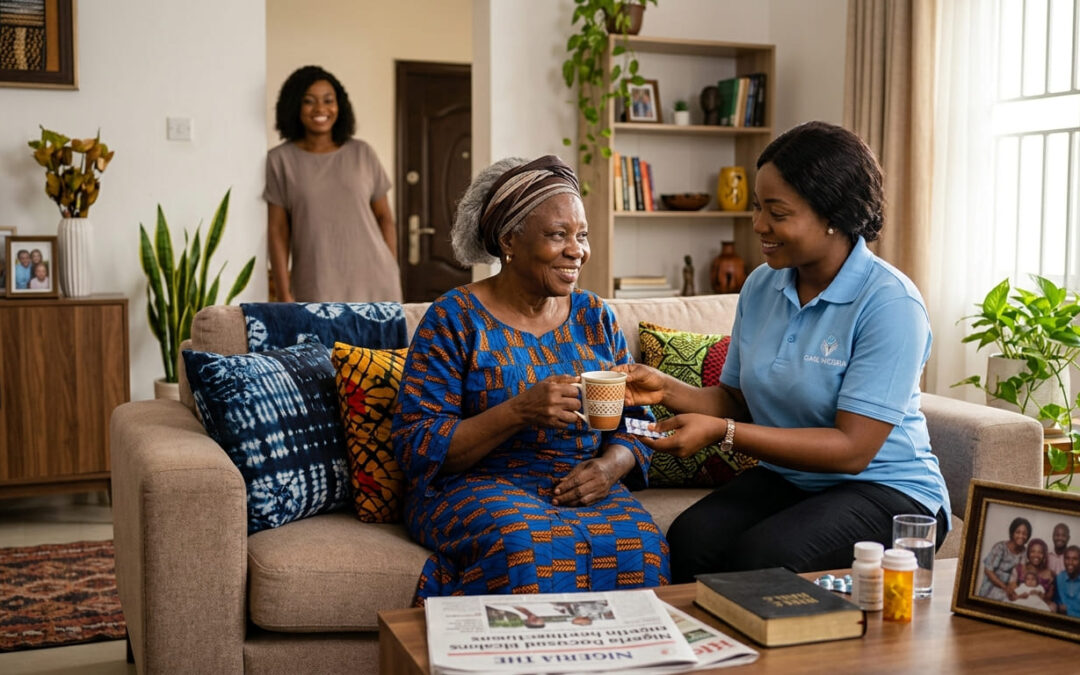
Caring for elderly parents is an important responsibility in many Nigerian families. As parents grow older, they may require additional support with daily activities, healthcare, and emotional well-being. While hospitals and care facilities remain available options, many families are increasingly choosing home care services because they allow elderly loved ones to receive professional support within the comfort of their homes.
Home care provides a balance between quality healthcare, emotional comfort, and family connection. It enables elderly parents to maintain dignity, independence, and peace of mind while receiving personalized care tailored to their needs.
What is Home Care?
Home care refers to professional healthcare and personal support services provided to individuals in their homes. These services are designed to help elderly people live safely, comfortably, and independently while receiving the assistance they need.
Home care services may include:
Personal care assistance
Medication management
Home nursing care
Companionship services
Meal preparation
Physiotherapy support
Post-surgery recovery care
Assistance with mobility and daily activities
Benefits of Home Care for Elderly Parents in Nigeria
1. Comfort and Familiarity
One of the greatest benefits of home care is that elderly parents remain in familiar surroundings. Being at home provides emotional comfort because they are surrounded by cherished memories, personal belongings, and loved ones.
Familiar environments can help reduce stress, confusion, and anxiety, especially for elderly individuals dealing with memory-related conditions.
2. Personalized Attention and Care
Home care services provide one-on-one attention tailored to the specific needs of the elderly individual. Unlike hospitals where caregivers attend to many patients, home caregivers focus directly on the patient’s health, comfort, and daily routines.
This personalized care often leads to:
Better monitoring of health conditions
Improved medication management
Faster recovery from illness or surgery
Increased emotional support
3. Emotional and Mental Well-being
Loneliness and isolation are common challenges among elderly individuals. Home care helps elderly parents maintain close relationships with family members while receiving companionship from professional caregivers.
This emotional support can:
Improve mental health
Reduce depression and anxiety
Increase happiness and confidence
Promote a positive quality of life
4. Greater Independence
Many elderly individuals value their independence and prefer making decisions about their daily lives. Home care allows them to continue living according to their routines and preferences while receiving assistance only when necessary.
This helps preserve dignity and self-esteem.
5. Reduced Risk of Infection
Hospitals and healthcare facilities can expose elderly individuals to infections due to contact with multiple patients. Receiving care at home provides a safer and cleaner environment, reducing the risk of hospital-acquired infections.
6. Family Involvement in Care
Home care allows family members to remain actively involved in the care of their elderly parents. Families can monitor progress, provide emotional support, and spend more meaningful time together.
This strengthens family bonds and gives relatives peace of mind knowing their loved ones are receiving quality care.
7. Cost-Effective Healthcare Option
In many situations, home care services can be more affordable than long-term hospitalization or nursing home care. Families can choose flexible care plans based on the specific needs and budget of the patient.
8. Better Recovery After Illness or Surgery
Elderly individuals recovering from surgery or illness often heal faster in the comfort of their homes. A peaceful environment, family support, and personalized attention contribute to improved recovery outcomes.
Challenges of Elderly Care in Nigeria
Despite its benefits, home care in Nigeria still faces some challenges, including:
Limited awareness of professional home care services
Shortage of trained caregivers
High healthcare costs
Limited access to quality care in rural areas
However, the demand for home care services continues to grow as more families recognize its importance.
The Future of Home Care in Nigeria
Technology and healthcare innovations are helping improve home care services in Nigeria. Telemedicine, remote monitoring systems, and digital healthcare platforms are making it easier for healthcare professionals to support elderly patients at home.
As awareness increases, home care is expected to become a major part of elderly healthcare in Nigeria.
Conclusion
Home care services provide numerous benefits for elderly parents in Nigeria by combining professional healthcare support with emotional comfort and family connection. From personalized attention and improved recovery to greater independence and emotional well-being, home care offers a compassionate and practical solution for elderly care.
As Nigerian families continue to seek better ways to care for aging loved ones, home care services will remain an essential and valuable healthcare option.